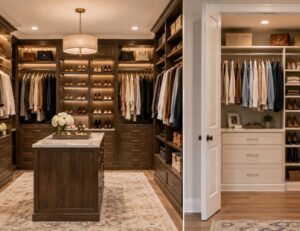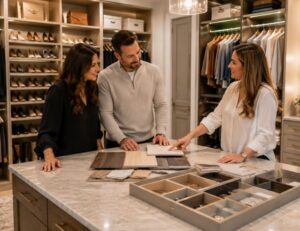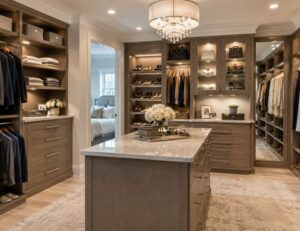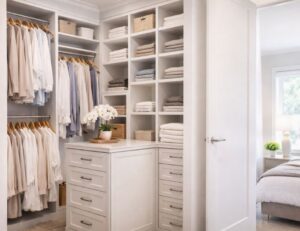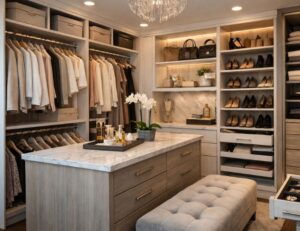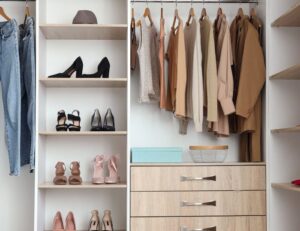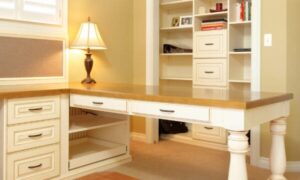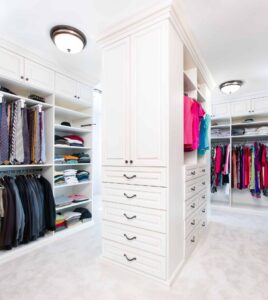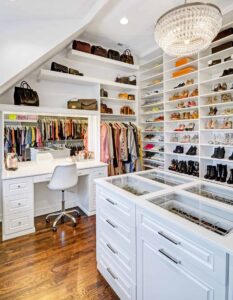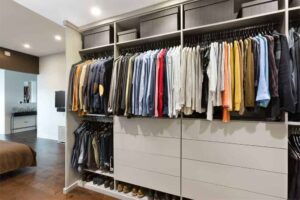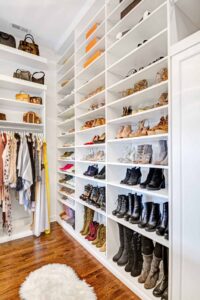
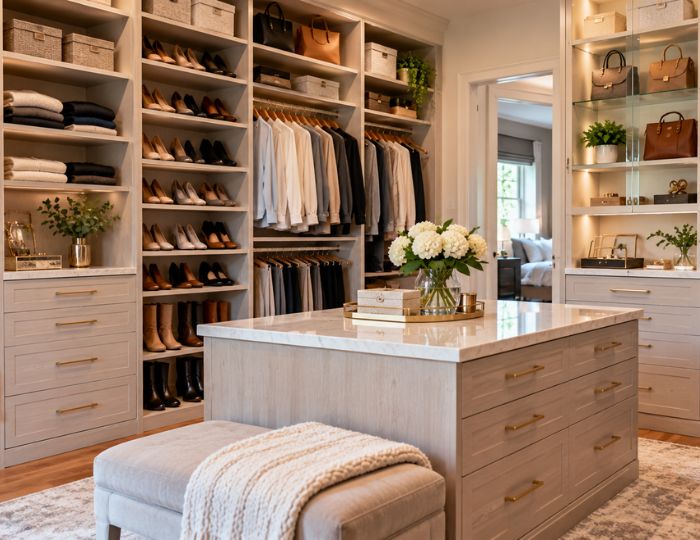
A well-designed closet shouldn’t work beautifully only on installation day.
It should continue working years later.
Wardrobes change. Families grow. Storage priorities shift. The number of shoes you own may increase while your need for long-hanging space decreases. A closet shared by two people today might eventually need to accommodate completely different storage needs.
That’s why we believe good custom closet design requires thinking beyond what you own right now.
At Closet Organizing Systems, our closet design process considers how a space can be organized around the homeowner instead of forcing the homeowner to adapt to a generic storage system.
Here are some of the most important things to consider when designing a closet that can evolve with you.
Start With How You Actually Use Your Closet
Before choosing finishes or accessories, think about your routine.
What do you reach for every day?
What takes up the most space?
Which items are difficult to store?
Where does clutter usually accumulate?
Some people need extensive shoe storage. Others need more double-hanging sections, drawers, shelves, or room for accessories.
A successful closet isn’t necessarily the one with the most storage components.
It’s the one where those components match the homeowner’s belongings and habits.
Our guide to planning ahead for a new closet storage space explores why understanding your needs before finalizing the design can make such a difference.
Build Flexibility Into the Closet From the Beginning
Your wardrobe five years from now probably won’t look exactly like your wardrobe today.
That makes flexibility valuable.
Adjustable shelves can accommodate changing stacks of clothing, handbags, shoes, and storage containers. Hanging sections can be planned around different garment lengths. Open areas can provide room for future additions.
The objective is to avoid designing every inch around one extremely specific collection of belongings.
Instead, create a framework that can adapt.
Think in Storage Zones
It can help to divide the closet into functional zones.
You might have areas for:
- Frequently worn clothing
- Longer garments
- Folded clothing
- Shoes
- Accessories
- Seasonal items
- Less frequently used belongings
Those zones don’t necessarily need to stay exactly the same forever.
A thoughtfully designed system gives you options when priorities change.
This is one of the advantages of choosing custom storage capabilities rather than trying to make a standard organizer fit a unique space.
Use Vertical Space More Effectively
One of the biggest missed opportunities in many closets is vertical space.
A single hanging rod with one shelf above it may leave a considerable amount of potentially useful space underutilized.
Custom design allows the storage system to take better advantage of the room’s height.
For shorter garments, double-hanging areas can provide more usable storage. Shelves can extend upward for items that aren’t needed every day. Specialized storage can keep shoes and accessories organized without consuming valuable hanging space.
Even a smaller closet can benefit from thoughtful vertical planning.
That’s especially important when designing reach-in closets, where every section needs to work efficiently.
We’ve also shared examples of how thoughtful design can create big solutions for small closets.
Drawers Can Make a Closet More Versatile
Not everything needs to hang.
Integrated drawers can create convenient storage for folded clothing, accessories, jewelry, undergarments, workout clothing, and other smaller items.
They can also reduce dependence on separate bedroom furniture.
As your needs change, the contents of those drawers can change with you.
A drawer that stores children’s accessories today might hold folded clothing later. A section devoted to work attire might eventually serve a completely different purpose.
Custom doors and drawers can also help give a closet a more finished, furniture-like appearance.
The result can feel less like a collection of shelves and rods and more like a thoughtfully designed room.
Accessories Should Solve Real Storage Problems
Closet accessories can be extremely useful, but only when they’re chosen for a reason.
The goal isn’t to add every available feature.
It’s to identify which features make everyday organization easier.
Closet Organizing Systems offers a variety of closet accessories that can be incorporated according to the homeowner’s needs.
Before adding an accessory, ask a simple question:
What problem does this solve?
If you have a large shoe collection, dedicated shoe storage makes sense.
If accessories constantly disappear into drawers, a more specialized solution may help.
If certain belongings are difficult to access, the right feature may improve both visibility and convenience.
Our earlier article on accessorizing your closet space provides additional inspiration for incorporating functional upgrades.
Plan for Style Changes Too
Storage needs aren’t the only thing that changes.
Your design preferences may evolve as well.
A closet is part of the home, and the visual details can influence how finished the space feels.
Closet Organizing Systems offers a range of colors and finishes, along with decorative hardware and molding and edging options.
These choices allow homeowners to create a closet that complements the surrounding interior rather than looking like an afterthought.
The key is balancing personality with longevity.
Trendy elements can be appealing, but foundational choices that coordinate well with the home may remain satisfying longer.
Don’t Let an Unusual Room Dictate a Poor Design
Not every closet is a perfect rectangle.
Angled ceilings, unusual corners, windows, columns, soffits, vents, and other architectural details can make a standard storage system difficult to use.
Custom design allows those characteristics to become part of the planning process.
We’ve worked with challenging spaces before, including closets with angled walls and ceilings and designs that require creative solutions around structural obstacles.
Instead of seeing an unusual feature and assuming the space is unusable, the better question is how the design can work around it.
That’s where customization becomes particularly valuable.
Design for Tomorrow, Not Just Today
A closet is something you use every day.
That makes thoughtful planning worthwhile.
Rather than designing around an exact inventory of what you currently own, think about how your lifestyle could change.
Could your wardrobe expand?
Will two people eventually share the space?
Would additional drawers become useful?
Could a shoe section need to change?
Would adjustable shelving give you more options later?
Closet Organizing Systems creates custom closet solutions in the Chicago area with these kinds of practical considerations in mind.
You can also browse our project gallery for ideas and examples of how different spaces can be approached.
When you’re ready to turn an underused closet into storage designed around the way you live, contact Closet Organizing Systems to start the conversation.
Key Takeaways
- A custom closet should accommodate today’s belongings while leaving room for changing storage needs.
- Start the design process by identifying how you actually use the space.
- Adjustable and flexible storage can make it easier for a closet to evolve over time.
- Vertical space can significantly increase storage efficiency.
- Drawers provide versatile storage for smaller and folded items.
- Accessories should solve specific organizational problems rather than simply fill space.
- Finishes, hardware, doors, and molding can make a closet feel integrated with the rest of the home.
- Custom design is especially useful when working with unusual walls, ceilings, corners, and other architectural obstacles.